Tao Te Ching Chapter 18 Explained: When the Great Way Declines
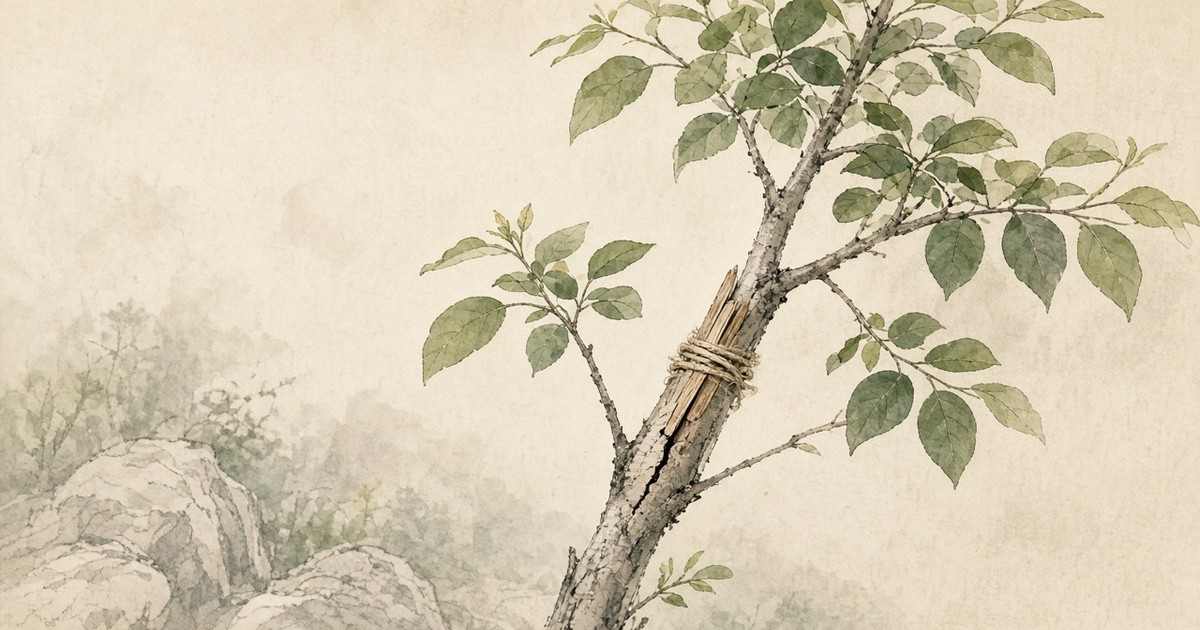
Chapter 18 is only four short lines long, and it is easy to misread. It says that benevolence and righteousness arise when the great Way is abandoned, and that loyal ministers appear when the country is in chaos. You might hear contempt for kindness in that. The chapter is doing something else. It reads like a diagnosis: the virtues you name loudly often point to what has gone missing.
The text: four lines, one pattern
The whole chapter on the living page reads 大道废,有仁义;智慧出,有大伪;六亲不和,有孝慈;国家昏乱,有忠臣。 The page translates it: “When the great Way is abandoned, there arises benevolence and righteousness. When wisdom and cleverness appear, there arises great hypocrisy. When family relations are not harmonious, there arises filial piety and parental affection. When the country is in chaos, there arise loyal ministers.” You can see the same shape repeat four times: a loss, then a name.
When the great Way is abandoned, benevolence and righteousness arise
The first line, 大道废,有仁义, sets the pattern. Here is a reading, not a rule from the text: when people live in a natural wholeness, nobody needs a word for being kind, because kindness is simply how things go. The word appears, and gets taught and praised, once it can no longer be assumed. Your takeaway is not that benevolence is bad. It is that the need to name it tells you something has been lost.
When cleverness appears, great hypocrisy follows
The second line, 智慧出,有大伪, is the one with a sharper edge. The page renders it “When wisdom and cleverness appear, there arises great hypocrisy.” This is a reading, not the text: once goodness becomes a standard you can be measured against, people learn to look good against it. The show of virtue can then drift away from virtue itself. Your honest check is to notice where you have learned to perform a value rather than live it.
When family harmony fails, filial piety is praised
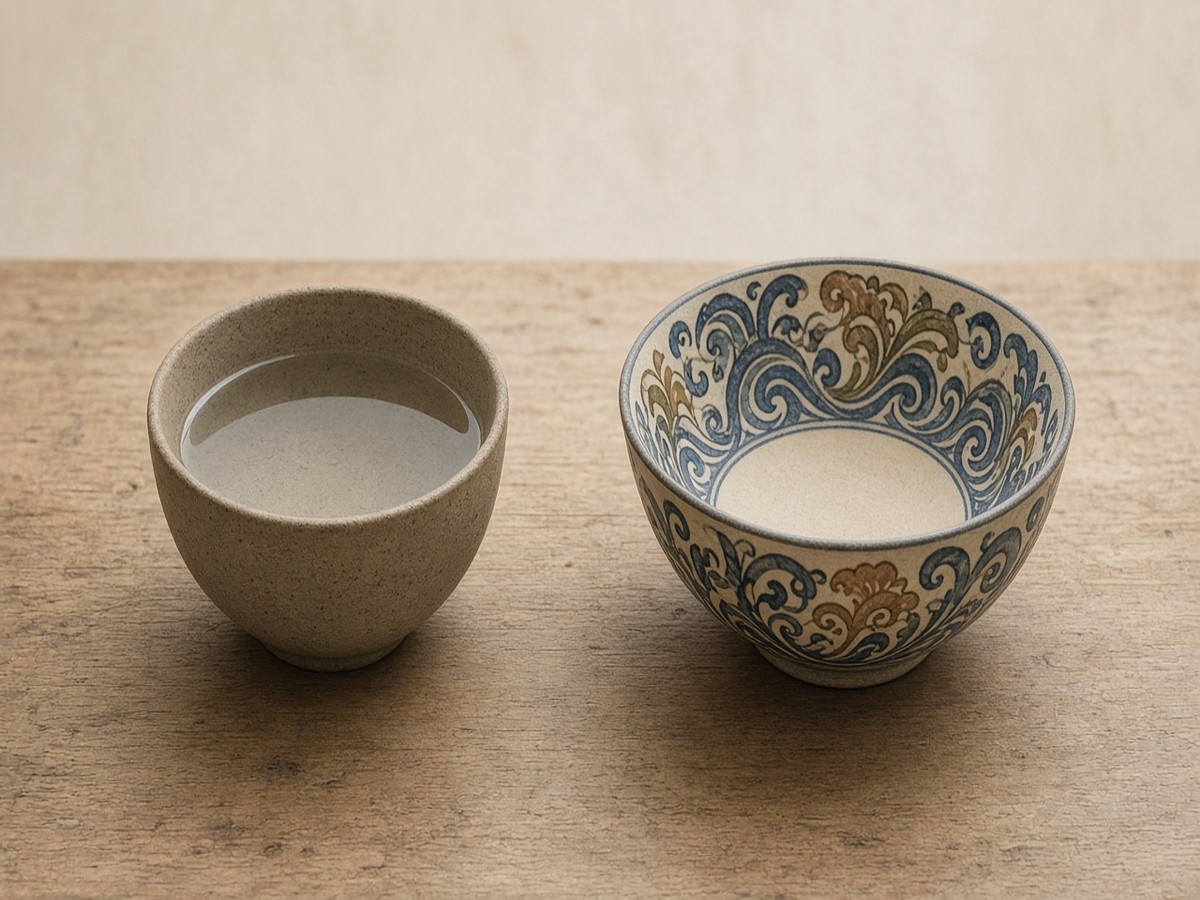
The third line is 六亲不和,有孝慈, “When family relations are not harmonious, there arises filial piety and parental affection.” Here is a reading, not a rule from the text: in a family where care flows easily, a child who looks after a parent is not singled out as a model. The praise for one devoted son or daughter shines brightest against a background where care has broken down. You can honor the devotion and still see what its fame reveals.
When the state is in chaos, loyal ministers are named
The last line is 国家昏乱,有忠臣, “When the country is in chaos, there arise loyal ministers.” This is a reading, not the text: loyalty becomes a famous virtue when there is disorder to be loyal through. In a calm, well-ordered state, faithful service would hardly stand out. The chapter does not mock those ministers. Your lesson is that a hero’s fame often measures the size of the trouble, and that a healthy system rarely needs heroes.
A diagnosis, not contempt for kindness
You can misread Chapter 18 as a sneer at goodness, and that reading falls apart on the text. Nowhere does the chapter tell you to be less kind, less faithful, or less caring. Here is a reading, not a rule from the text: it points past the named virtue to the condition behind it. A fever is not the illness, and you would not cure anyone by forbidding fevers. The chapter asks you to look at the illness.

How to notice it in your own life this week
You can try this in one ordinary week. Listen for the values that get repeated most loudly around you: at work, at home, in your own head. When a word like trust, respect, or teamwork is suddenly everywhere, ask what has thinned out underneath it. Then, instead of adding another rule or slogan, look for one small way to restore the thing itself. Your record at the end can stay short.
What this essay does not claim
You will not find here a claim that Laozi rejected kindness, a ruling on other teachers, or a fixed meaning for each line. The Chinese follows the received text shown on the chapter page, which matches the Wang Bi edition in the lines quoted. Only the Chinese and the quoted translation come from the chapter; everything else is modern reflection, not Laozi’s words. Your best use of this essay is to return to the text itself.
FAQ
What is the main message of Tao Te Ching Chapter 18?
You are reading a chapter built on one repeated pattern: a loss, then a name. When the great Way is abandoned, benevolence and righteousness arise; when family harmony fails, filial piety is praised; when the state falls into chaos, loyal ministers appear. A faithful modern reading is that named and praised virtues can be signs of lost wholeness. Your takeaway is to look at the condition behind a loudly praised virtue, not to stop practicing it.
Does Chapter 18 say benevolence and righteousness are bad?
You will not find that claim in the text. The chapter says these virtues arise when the great Way is abandoned; it does not tell you to give them up. A reasonable reading is that it treats them the way a doctor treats a symptom, as a clue to what went wrong. Your kindness still matters. The chapter only asks you to notice why kindness has had to become a rule, a lesson, or a slogan.
What does “when wisdom and cleverness appear, there arises great hypocrisy” mean?
The Chinese is 智慧出,有大伪. A common modern reading is that once goodness becomes something you can be judged on, people learn to perform it. Cleverness here is the skill of looking right rather than being right, and hypocrisy is the gap that opens between the two. You can test this gently in your own habits: where do you work harder at appearing caring, careful, or honest than at simply being so?
Why does Chapter 18 mention filial piety and loyal ministers?
You are reading two examples, one from the family and one from the state. The text says filial piety and parental affection arise when family relations are not harmonious, and loyal ministers arise when the country is in chaos. A modern reading is that these virtues become famous against a background of trouble. Your lesson is not to doubt devoted children or faithful public servants, but to see what their fame quietly tells you about the setting.
Is Chapter 18 an attack on Confucius?
You may see the chapter framed that way, but this essay does not read it as one teacher against another. The text names no person or school; it describes a pattern in families and states. Reading it as a contest can distract you from the chapter’s own question. Your more useful approach is to apply the diagnosis to your own life, workplace, and community, where named virtues may also be standing in for something lost.
How can you apply Chapter 18 today?
You can start by listening for the values repeated most loudly around you. When a word like respect, trust, or loyalty suddenly appears on every wall and in every meeting, ask what has worn thin beneath it. Then look for one small, concrete way to restore the thing itself, such as keeping a promise or easing a conflict at its root. Your aim is less slogan and more of what the slogan was meant to protect.
Read Chapter 18 on the living page
When you are ready to sit with the Chinese, the translation, and the chapter’s own reflection, open When the Great Way Declines and read Chapter 18 slowly once. You are checking whether its four short lines change how you hear the virtues praised around you. Let one careful reading show you where to restore the thing itself, not just its name.