Tao Te Ching Chapter 78 Explained: Nothing Softer than Water

Chapter 78 is easy to misread as a soft slogan. You hear “water” and think of gentle feeling, or of another water essay about the highest good. This chapter is sharper. It says the softest thing under heaven overcomes the hard and strong; everyone knows this, few practice it; and the sage who takes the nation’s dirt becomes fit to lead. Soft, here, is not weakness. Your question is how yielding persistence and blame-absorbing leadership actually work.
Softest under heaven, yet it overcomes the hard
The chapter opens with 天下莫柔弱于水,而攻坚强者莫之能胜,以其无以易之. The living page translates: “Nothing in the world is softer and weaker than water, yet nothing can surpass it in overcoming the hard and strong. There is nothing that can replace it.” Softness is named first as 柔弱 — soft and weak by ordinary measure — then paired with what hard force cannot beat for you.
You are not being told that water is pretty. You are being shown a paradox you already half believe: what yields keeps working where brittle force snaps. Softness is persistence that does not need to look strong. Your honesty deepens when you ask where this week you chose hard posture over patient pressure, and what that posture actually won.
Everyone knows; almost no one practices
Next comes 弱之胜强,柔之胜刚,天下莫不知,莫能行. In the page’s translation: “That the weak overcomes the strong, the soft overcomes the hard—everyone knows this, but no one practices it.” The chapter does not claim the idea is rare. It claims practice is rare. Softness fails most often for you not as ignorance, but as refusal when pride wants a harder show.
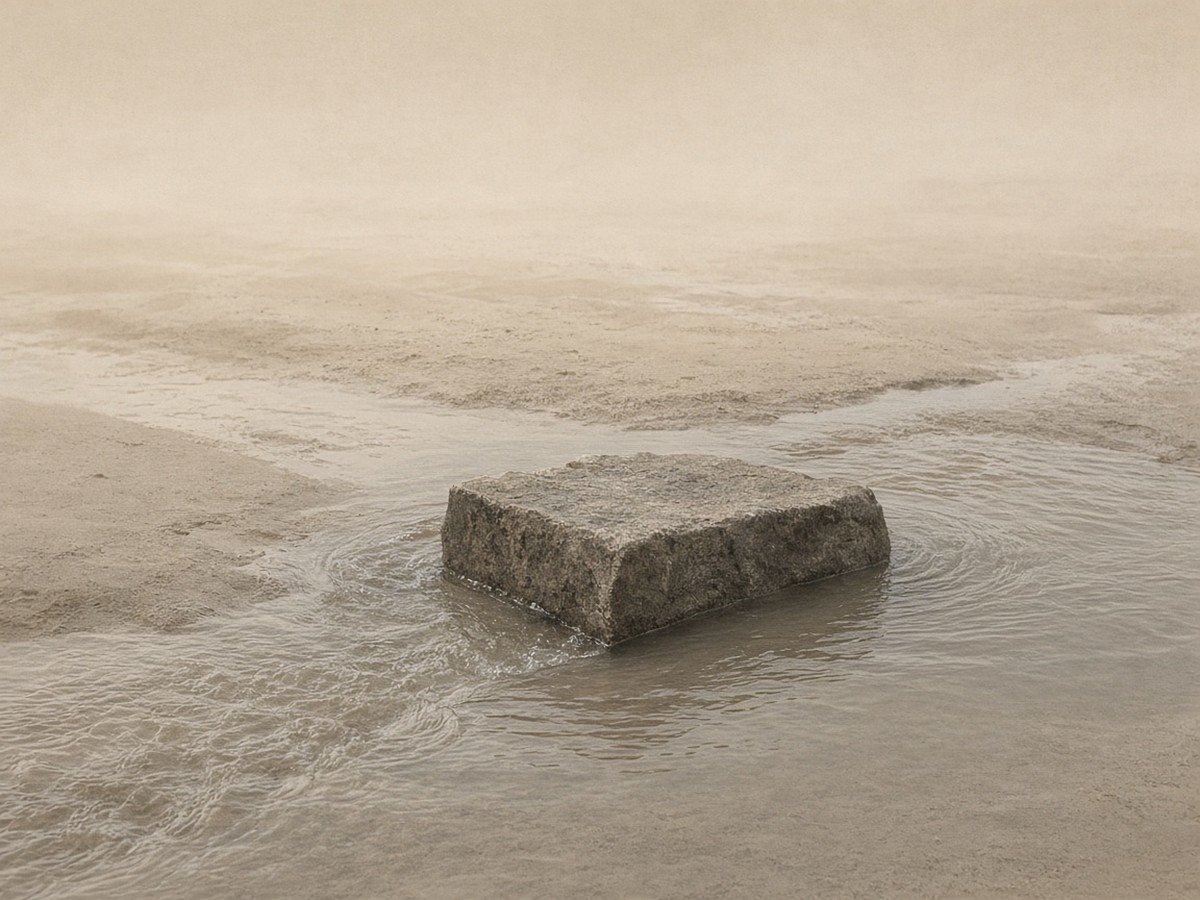
Here is a reading, not a rule from the text: knowing that soft wins is cheap; staying soft when you are embarrassed, delayed, or challenged is the cost. Your week clarifies when you name one place you “know” soft wins and still reach for force — a reply, a deadline fight, a need to look decisive — and try one softer persistence instead.
Taking the nation’s dirt and misfortune
Then the chapter turns from water to rule: 是以圣人云:受国之垢是谓社稷主,受国不祥是为天下王。正言若反. The living page translates: “Therefore the sage says: 'Accepting the disgrace of the state makes one its master; bearing the misfortune of the state makes one its king.' True words seem paradoxical.” Softness here is leadership that absorbs shame and calamity for you rather than casting them outward.
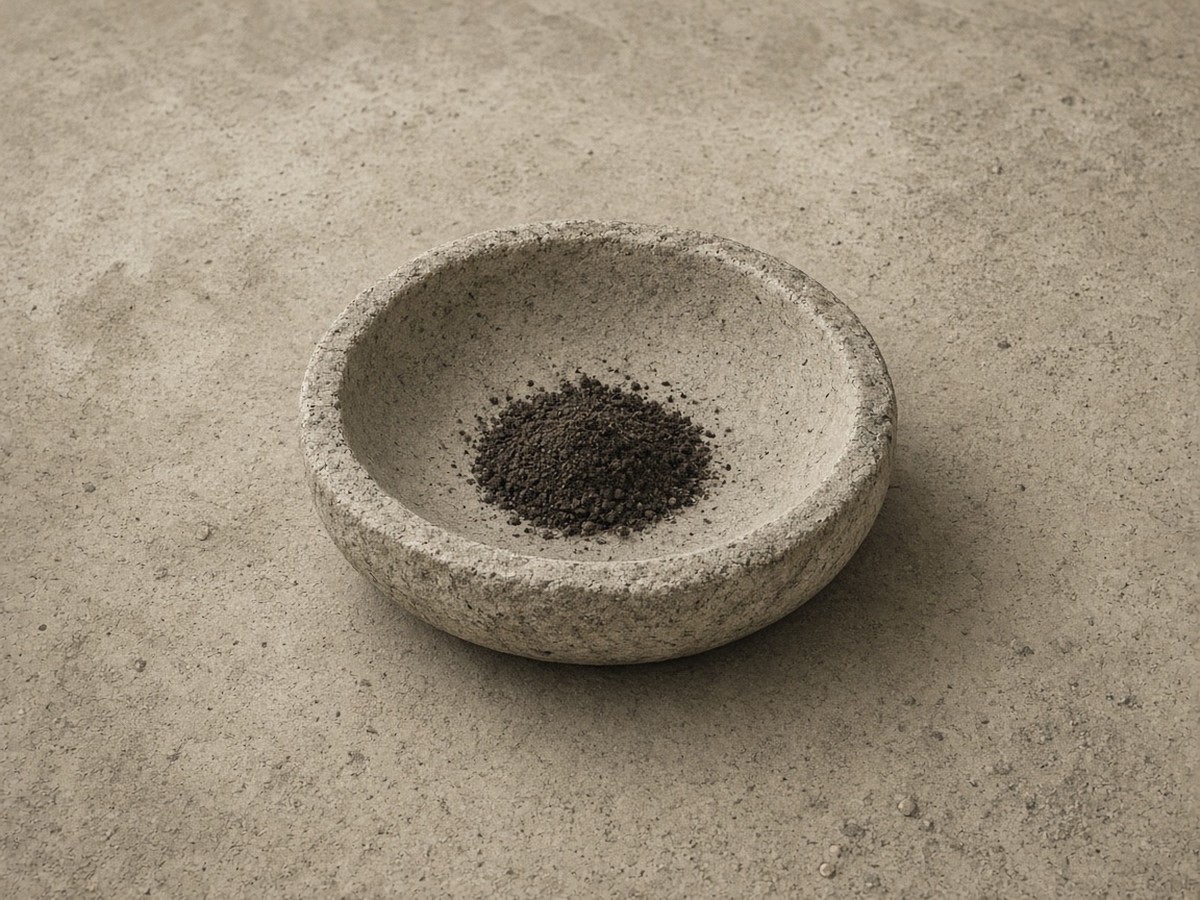
This is a reading, not the text: 受国之垢 and 受国不祥 name a person who can hold blame and bad fortune for the whole without needing to look clean. Softness outranks swagger because the group can trust who will carry the mess. Your test is small and local: in one shared failure this week, do you push dirt onto others, or can you take a share without theater?
Soft is not weakness; true words seem paradoxical
The close, 正言若反, is rendered “True words seem paradoxical.” Soft overcoming hard sounds backward until you watch brittle force fail. Softness that absorbs blame sounds like losing until you see how swagger empties trust. You are not being asked to become soft for show. You are being asked to notice where hard display already costs you.
Here is a reading, not a rule from the text: soft ≠ passivity. Water still moves; it wears a groove; it finds the low path. Softness that only collapses is not what the chapter praises. Your practice is to keep moving without hardening into a brittle stance that looks strong for a day and breaks the next.
What this essay does not claim
You will not find here a remake of the Chapter 8 water catalogue — highest good, benefiting without contending, the low place, seven excellences — that is a different essay and thesis. You will not find Sun Tzu battlefield framing, a Chapter 43 or 76 soft-list remake, commerce talk, or invented rankings. Only the Chinese and quoted English follow the living chapter page; everything else is modern reflection, not Laozi’s words. Your best next step is still the chapter itself.
FAQ
What does Chapter 78 mean by nothing softer than water?
You are reading 天下莫柔弱于水,而攻坚强者莫之能胜: nothing under heaven is softer and weaker than water, yet nothing overcomes the hard and strong as it does. Softness is not a mood. It is a way of meeting resistance that does not shatter. Your practical version is to notice one hard conflict this week and ask what patient pressure would look like instead of a brittle push.
How is soft overcoming hard different from simply giving up?
You are not being told to collapse. The chapter pairs soft and weak with overcoming — 攻坚强者莫之能胜 — and with practice that most people skip. Softness keeps working; it does not quit when pride wants a louder win. Your check is whether today’s yield still moves toward the need, or whether you are only avoiding the hard place and calling that wisdom.
Why does the chapter say everyone knows this but no one practices it?
The line 天下莫不知,莫能行 names a gap between slogan and habit. Soft overcoming hard is easy to recite and hard to keep when you feel slighted or rushed. Softness fails as practice, not as theory. Your week becomes clearer when you catch one moment you already “knew” soft wins and still chose force, then try the softer move once on purpose.
What does accepting the disgrace of the state ask of a leader?
You meet 受国之垢是谓社稷主 and 受国不祥是为天下王: accepting the state’s disgrace makes one its master; bearing its misfortune makes one its king. Softness here is absorbing blame and bad fortune instead of casting them out. Your local version is to take a share of a shared mess without needing to look spotless, and notice how trust shifts when you do.
How is Chapter 78 different from Chapter 8’s water teaching?
You can hold both without collapsing them. Chapter 8’s living essay treats highest good like water — benefit without contending, the low place, a catalogue of excellences. Chapter 78 stresses soft overcoming hard and the sage who takes the nation’s dirt and misfortune. Softness appears in both; the claims differ. Your next sitting can open Chapter 78 on its own terms without turning it into that other water page.
How should you practice Chapter 78 this week?
You can choose one hard place where force usually fails and apply yielding persistence instead. When a shared failure appears, take a clean share of the dirt without theater. Softness is small and repeatable. Your record at week’s end is simple: where did soft pressure outlast hard posture, and where did absorbing blame steady the room more than swagger did?
Read Chapter 78 on the living page
When you are ready to sit with the Chinese, the translation, and the chapter’s own close—not another paraphrase—open Nothing Softer than Water and read Chapter 78 slowly once. You are checking whether soft overcoming hard softens your next brittle push, and whether taking a share of shared dirt changes how you lead. Let one sitting show if yielding persistence can reshape how you meet force tomorrow.