Tao Te Ching Chapter 55 Explained: The Virtue of Innocence
Chapter 55 is easy to misread as a baby metaphor or a call to stay naive. You hear “newborn” and think of parenting tips, or of soft slogans about innocence. This chapter is sharper. It says thick virtue is like a newborn: full of vital force yet soft, firm without strain; knowing harmony is constancy; forcing growth brings early exhaustion. Innocence here is unforced integrity. Your question is how to stay whole without pumping yourself up.
Thick virtue is like a newborn
The chapter opens with 含德之厚,比于赤子. The living page translates: “One who is filled with virtue is like a newborn child.” Thick te (德) is named first, then compared to the newborn—not as cuteness, and not as a childcare lesson for you. Softness and fullness arrive together; the image points to integrity that has not yet hardened into forced growth.
You are not being told to act childish. You are being shown a paradox: the one who holds virtue deeply is soft, open, and still intact. Innocence here means you have not yet hardened into forced growth. Your honesty deepens when you ask where this week you tried to look more mature by straining, and what that strain actually cost.
Soft bones, firm grip; harmony without hoarseness
Next comes 毒虫不螫,猛兽不据,攫鸟不搏。骨弱筋柔而握固, then 未知牝牡之合而朘作,精之至也。终日号而不嗄,和之至也. In the page’s translation: “Poisonous insects do not sting it, wild beasts do not attack it, birds of prey do not strike it. Its bones are weak and its sinews soft, yet its grip is firm.” And: “It cries all day without becoming hoarse—this is the peak of harmony.” Softness is paired with grip and with 精之至也 / 和之至也—peak vitality and peak harmony—without you needing to force either.
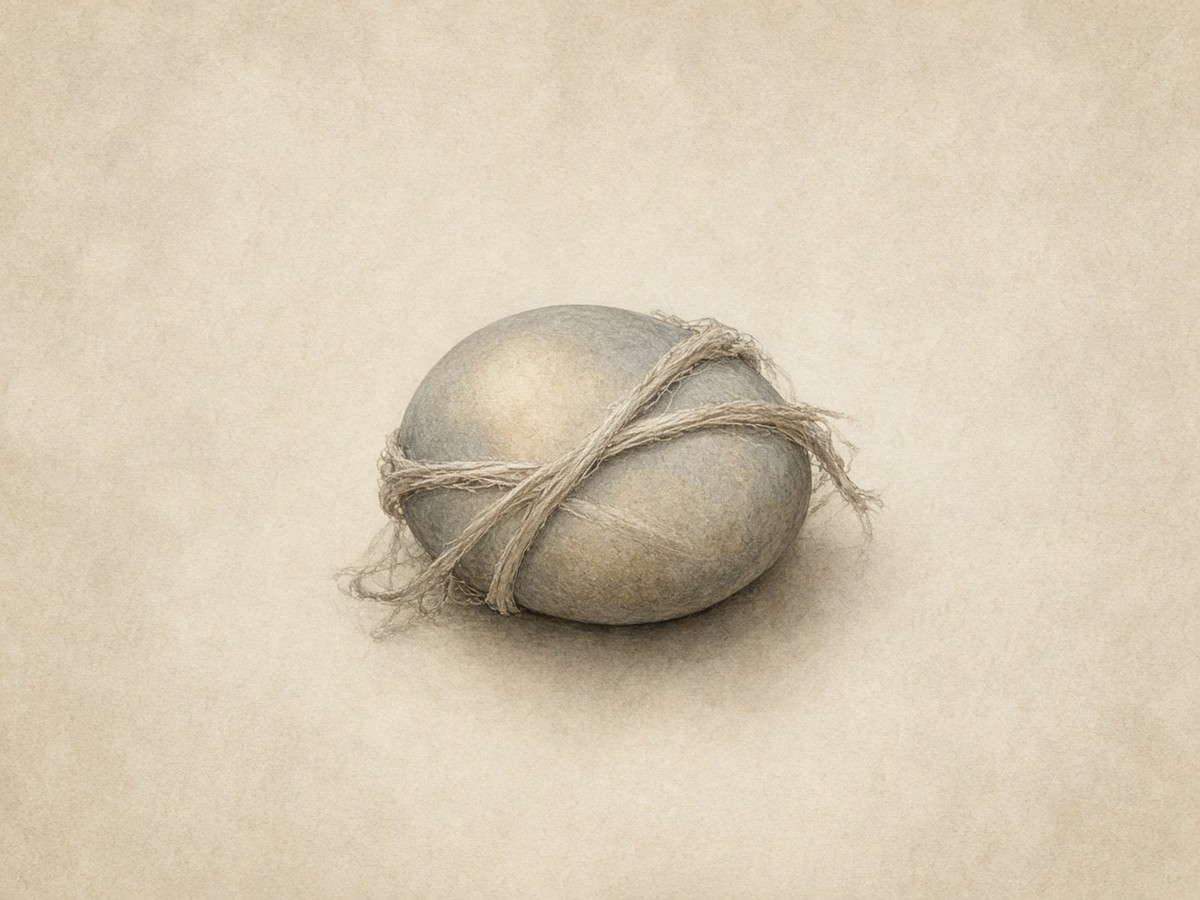
Here is a reading, not a rule from the text: the newborn image is not about being untouched by life; it is about staying soft enough that force does not find a brittle edge on you. Soft bones with a firm grip mean you can hold what matters without hardening. Your week clarifies when you name one place you clenched for show—and try one softer, surer hold instead.
Knowing harmony is constancy; knowing constancy is clarity
Then the chapter turns: 知和曰常,知常曰明. The living page translates: “To know harmony is to know the constant; to know the constant is to be enlightened.” Harmony (和) is not a mood. It is the quiet balance of jing, qi, and shen without strain—vital force that does not shout. Clarity for you begins when you recognize that balance instead of chasing louder vitality.
This is a reading, not the text: 知和曰常 asks you to treat unforced harmony as the steady mark, not as a weekend reset. Softness that keeps jing/qi/shen in tune outlasts the pumped-up version that burns out by Friday. Your test is small: in one task this week, can you work at full presence without driving the breath or the mood harder than the work needs?
Forcing growth ends early
The close warns: 益生曰祥,心使气曰强。物壮则老,谓之不道,不道早已. The living page translates: “To force growth is harmful; to control with the mind is to be strong. When things reach their prime, they age. This is not the Way, and what is not the Way soon ends.” Softness here is refusing the early exhaustion that comes when you push life and drive qi with will. Forced “strength” ages you ahead of time.
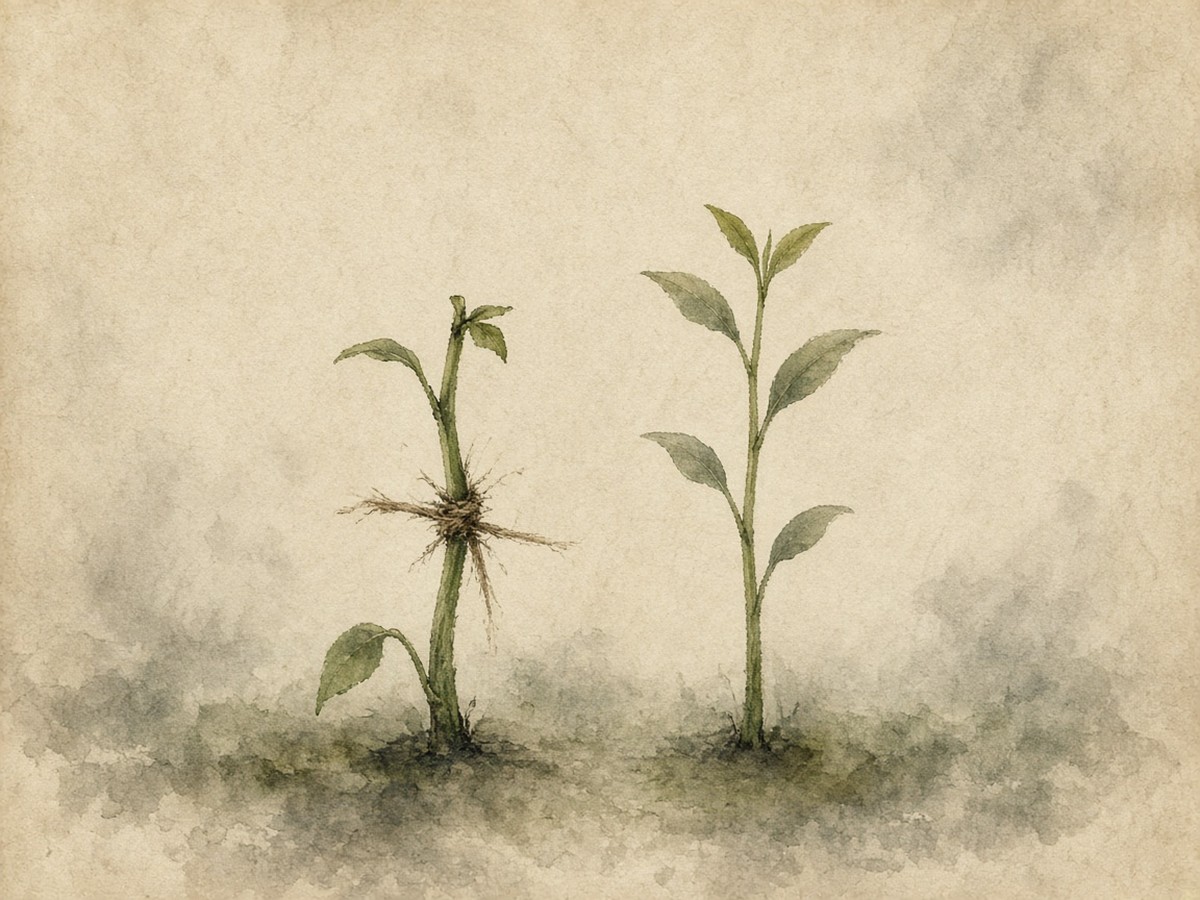
Here is a reading, not a rule from the text: 益生 and 心使气 name the habit of pumping yourself up—more stimulus, more control, more “strong” feeling—until the Way is already left. Softness is not laziness. Softness is staying whole so you do not end early. Your practice is to catch one forced breath or forced pace today and loosen it before the work hardens into brittle show.
What this essay does not claim
You will not find here a remake of Chapter 10’s practice cues—holding the soul, embracing unity, newborn breath as method—that is a different essay and thesis. You will not find parenting advice, a naïveté or childishness pep talk, a baby/wu-wei listicle, Sun Tzu battlefield framing, commerce talk, or invented rankings. Only the Chinese and quoted English follow the living chapter page; everything else is modern reflection, not Laozi’s words. Your best next step is still the chapter itself.
FAQ
What does Chapter 55 mean by thick virtue like a newborn?
You are reading 含德之厚,比于赤子: one filled with virtue is like a newborn child. Innocence here is not naïveté. It is unforced integrity—soft, full, and intact. Your practical version is to notice one place this week you hardened for display, and ask what a softer, thicker hold of yourself would look like instead.
How can soft bones still have a firm grip?
You meet 骨弱筋柔而握固: bones weak, sinews soft, yet the grip is firm. Softness is not collapse. Softness holds without strain, the way peak vitality (精之至也) and peak harmony (和之至也) do not need a hard show. Your check is whether today’s hold still serves the need, or whether you are only clenching so you look decisive.
What does knowing harmony have to do with clarity?
The line 知和曰常,知常曰明 names a path: know harmony, know the constant, know clarity. Softness that keeps jing, qi, and shen in tune is the constant the chapter points to—not a louder mood. Your week becomes clearer when you treat one unforced stretch of work as the mark, instead of chasing a pumped feeling that fades.
Why does forcing growth bring early exhaustion?
You meet 益生曰祥,心使气曰强 and 物壮则老,谓之不道,不道早已: to force growth is harmful; to drive qi with the mind is to be “strong”; what peaks by force ages, leaves the Way, and ends early. Softness refuses that early end. Your local version is to drop one forced push—breath, pace, or posture—and notice whether you last longer without the show.
How is Chapter 55 different from Chapter 10?
You can hold both without collapsing them. Chapter 10’s living page treats embracing unity and related practice cues. Chapter 55 stresses thick te like a newborn, soft-yet-firm vitality, harmony as constancy, and the warning that forced growth is not the Way. Softness and the newborn image appear in a family of chapters; the claims differ. Your next sitting can open Chapter 55 on its own terms without turning it into that other page.
How should you practice Chapter 55 this week?
You can choose one place where you usually pump yourself up and practice unforced integrity instead. Keep the grip firm and the sinews soft. Softness is small and repeatable. Your record at week’s end is simple: where did soft fullness outlast forced strength, and where did loosening the breath keep you whole longer than driving qi with the mind did?
Read Chapter 55 on the living page
When you are ready to sit with the Chinese, the translation, and the chapter’s own close—not another paraphrase—open The Virtue of Innocence and read Chapter 55 slowly once. You are checking whether thick virtue softens your next forced push, and whether knowing harmony steadies how you hold vitality. Let one sitting show if unforced integrity can reshape how you meet strain tomorrow.