Tao Te Ching Chapter 42 Explained: Tao Begets One
When you open Chapter 42, its famous first line, “Tao begets one; one begets two; two begets three; three begets the ten thousand things,” tends to swallow everything after it. Yet the chapter does not end in cosmology. It turns to rulers who take the lowest names, to things that gain by being diminished, and to a hard warning about the violent and strong. Your question is practical: what does losing well ask of you?
Tao begets one: read the unfolding, not a code
The chapter opens with 道生一,一生二,二生三,三生万物. The living page translates it as “Tao begets one; one begets two; two begets three; three begets the ten thousand things.” You will meet many charts that fix one, two, and three to set meanings. The chapter itself gives no key. You read more honestly when you take the line as a movement from the undivided toward the many, and leave the numbers open rather than forcing a code onto them.
The next sentence, 万物负阴而抱阳,冲气以为和, says that “The ten thousand things carry yin and embrace yang, and through the blending of energy they achieve harmony.” If you want the concept of yin and yang on its own, the site already treats it in Yin and Yang: What the Tao Te Ching Actually Says. This essay follows where your chapter goes next: from harmony in all things to what a person does with loss.
Rulers who take the names people dislike
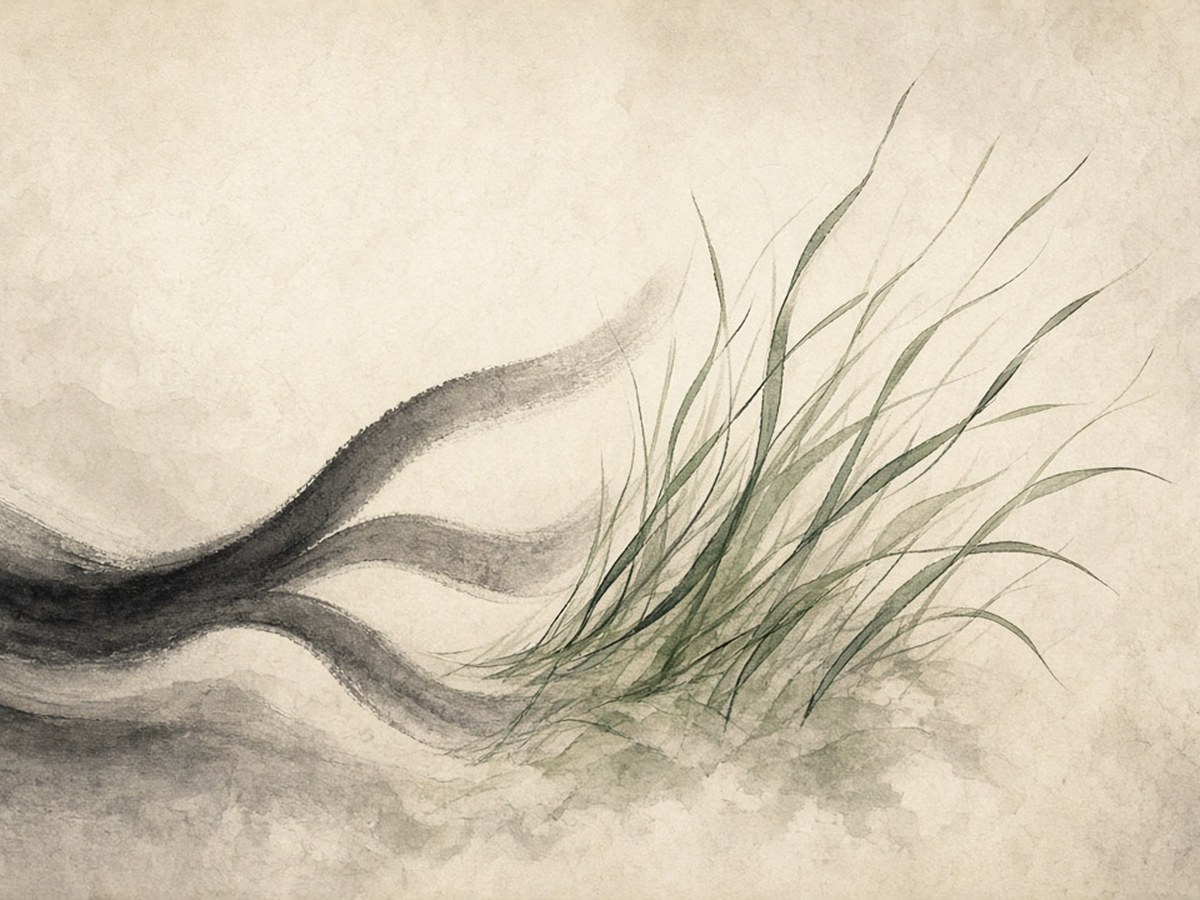
The second movement begins with 人之所恶,唯孤、寡、不谷,而王公以为称. In the page’s translation: “What people dislike is to be orphaned, widowed, or worthless, yet kings and lords call themselves by these names.” You might expect the powerful to choose grand names. The chapter notices the reverse: those at the top speak of themselves in the words everyone else avoids. Your first lesson here is that standing low in name is not the same as being small.
Here is a reading, not a rule from the text: the lowest names keep a ruler close to the ground that holds everything up. In your own day, that might mean introducing yourself without the title, or letting someone else’s name go first on the work. Your test is whether you can carry a modest name without treating it as a performance you expect to be praised for.
Things gain by being diminished
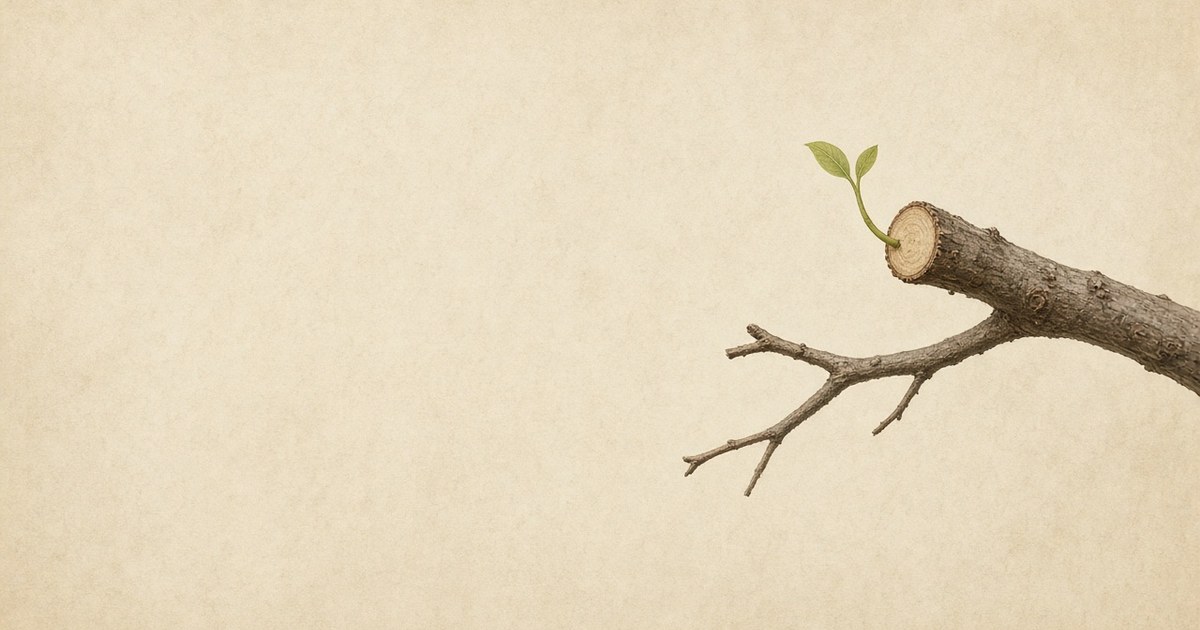
Then comes the center of the chapter: 故物或损之而益,或益之而损. The living translation reads, “Therefore, things are sometimes added to by being diminished, and diminished by being added to.” Notice the word “sometimes.” The line does not promise that every loss you suffer is secretly a gain. It says the movement runs both ways, and that you cannot judge a cut or an addition by how it feels in the moment.
You can test the first half in plain ways. Dropping one commitment can give the remaining ones room to grow. Admitting a mistake early costs you face and often earns you trust. Giving away credit makes you smaller on paper and frequently stronger in the room. Your practice is to ask, before you resist a loss, whether this is one of the places where being diminished is what lets something grow.
The second half is just as practical. When you keep adding titles, defenses, possessions, or arguments, you can end up weaker than before: heavier to move, harder to correct, more brittle under pressure. Your honest check is to name one thing you added this month to look stronger, then ask whether it has actually made you easier or harder to live with.
The violent and strong do not die a natural death
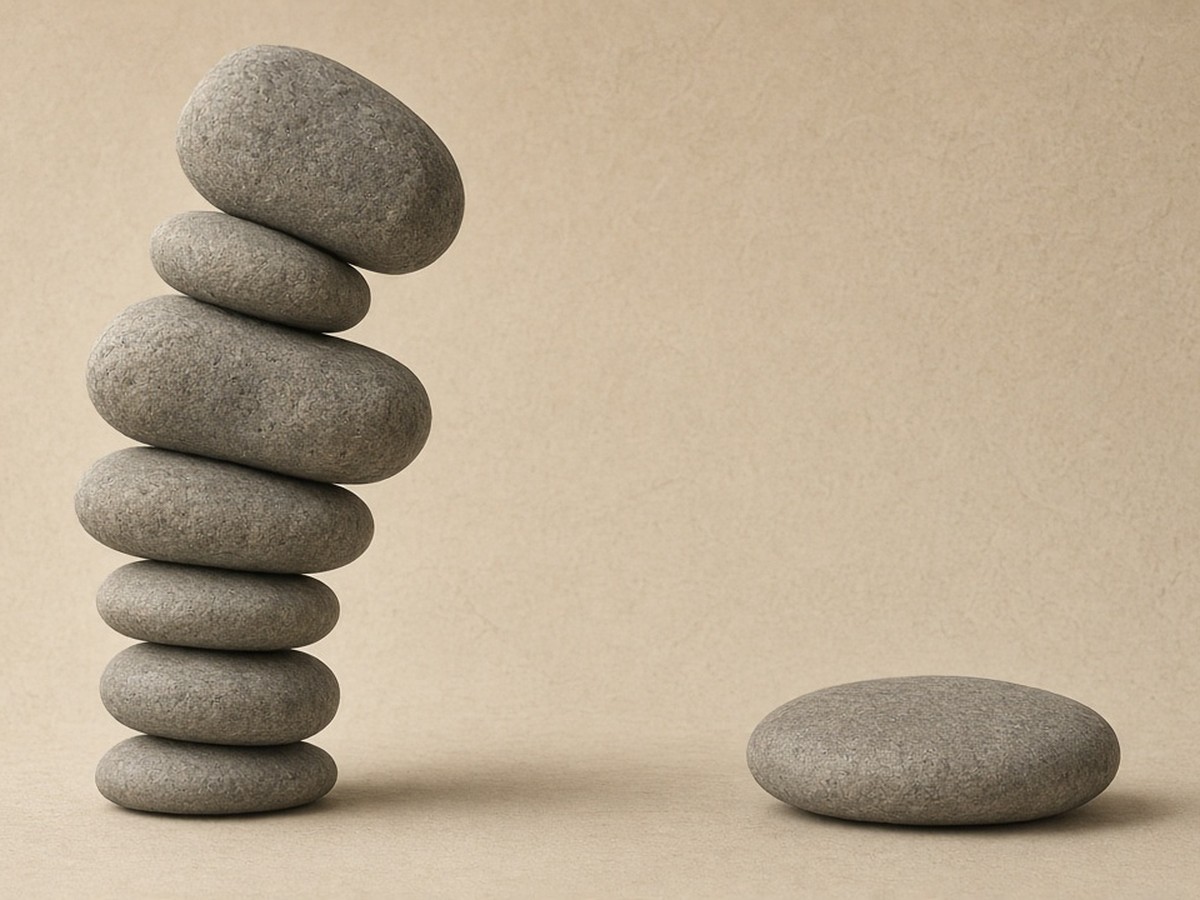
The chapter closes with 人之所教,我亦教之。强梁者不得其死,吾将以为教父. The page translates it as “What others teach, I also teach: ‘The violent and strong do not die a natural death.’ I will take this as the foundation of my teaching.” You should notice how plain the claim is. The speaker does not present it as a secret. It is what others already teach, now chosen as a foundation.
This is a reading, not the text: the line describes a posture more than a prophecy about your death. The violent and strong are those who will not be diminished at all, who meet every loss with force and every correction with a harder grip. Your link back to the center of the chapter is direct: whoever refuses all loss lives inside “diminished by being added to,” and pressure that is never released finds its own way out.
So the chapter does not ask you to be weak. It asks you to stop treating force as your only answer. Your strength can still say no, hold a line, and finish hard work. What it gives up is the need to win every exchange, and that surrender is often what keeps your life, your work, and your relationships from breaking.
How to act on Chapter 42 this week
You can take the chapter into one ordinary week. Choose one loss you are resisting and ask whether yielding it would let something else grow. Choose one addition you made to look strong and consider setting it down. When a conversation turns into a contest, notice the urge to harden, and try one less forceful reply. Your record at the end of the week is simple: where did being diminished leave you steadier, and where did force cost you more?
What this essay does not claim
You will not find here a fixed decoding of one, two, and three, a full guide to yin and yang, or a promise that every loss pays off. Only the Chinese lines and the quoted translation come from the chapter page; everything else here is modern reflection, not Laozi’s words. Your best use of this essay is to carry the living text back into your week, not to replace the chapter with a summary.
FAQ
What does “Tao begets one; one begets two; two begets three” mean?
You are reading 道生一,一生二,二生三,三生万物, a line about the many arising from the undivided. The chapter does not say what one, two, and three stand for, and you should be wary of anyone who claims a settled key. Read it as an unfolding rather than a formula. Your understanding grows when you hold the movement clearly and the labels loosely, then follow the chapter on to what it asks of a person.
Is Chapter 42 mainly about yin and yang?
You do meet the pair here: “The ten thousand things carry yin and embrace yang, and through the blending of energy they achieve harmony.” But that is one sentence in a chapter that keeps going. The longer turn is about rulers who take low names, things that gain by being diminished, and the fate of the violent and strong. Your reading stays balanced when yin and yang are a doorway into the chapter, not its whole room.
Why would kings and lords call themselves orphaned, widowed, or worthless?
The chapter states it plainly: 人之所恶,唯孤、寡、不谷,而王公以为称, the names people dislike are the names rulers use for themselves. It does not argue the point at length. A modern reading is that the lowest names keep the highest person tied to the ground beneath them. Your version is smaller and daily: can you take the humble name, the back seat, or the shared credit without resenting it?
What does “added to by being diminished” ask of you?
You are being asked to look again at losses before you fight them. 故物或损之而益 says things are sometimes added to by being diminished, and the word “sometimes” matters: not every loss is good. Your practice is discernment. Before you defend a position, a role, or a habit, ask whether letting it shrink would give room to something better. Some losses are only losses, and others are the cut that lets new growth come.
Does Chapter 42 say that being strong is wrong?
You are not told to give up strength. The warning is aimed at 强梁者: “The violent and strong do not die a natural death.” It points at people who meet every pressure with force and refuse any loss. You can still hold firm boundaries and do demanding work. What the chapter questions is the posture that never yields. Your strength becomes safer when it can bend, concede a point, and accept being diminished where that keeps the whole from breaking.
How can you practice Chapter 42 this week?
You can pick one small loss to accept on purpose, such as letting a minor argument go or handing credit to a colleague. Then pick one addition you made to look strong and set it down. Watch what changes in the next few days. Your aim is not to collect losses. It is to learn, by direct experience, when being diminished makes you steadier and when force is simply making you heavier.
Read Chapter 42 on the living page
When you are ready to sit with the Chinese, the translation, and the chapter’s own lines, open Tao Begets One and read Chapter 42 slowly once. You are checking whether its lines on gaining by loss loosen your grip on force or only sound wise. Let one quiet reading show you where yielding a little could keep something in your life from breaking.