Tao Te Ching Chapter 34 Explained: The Great Tao Flows
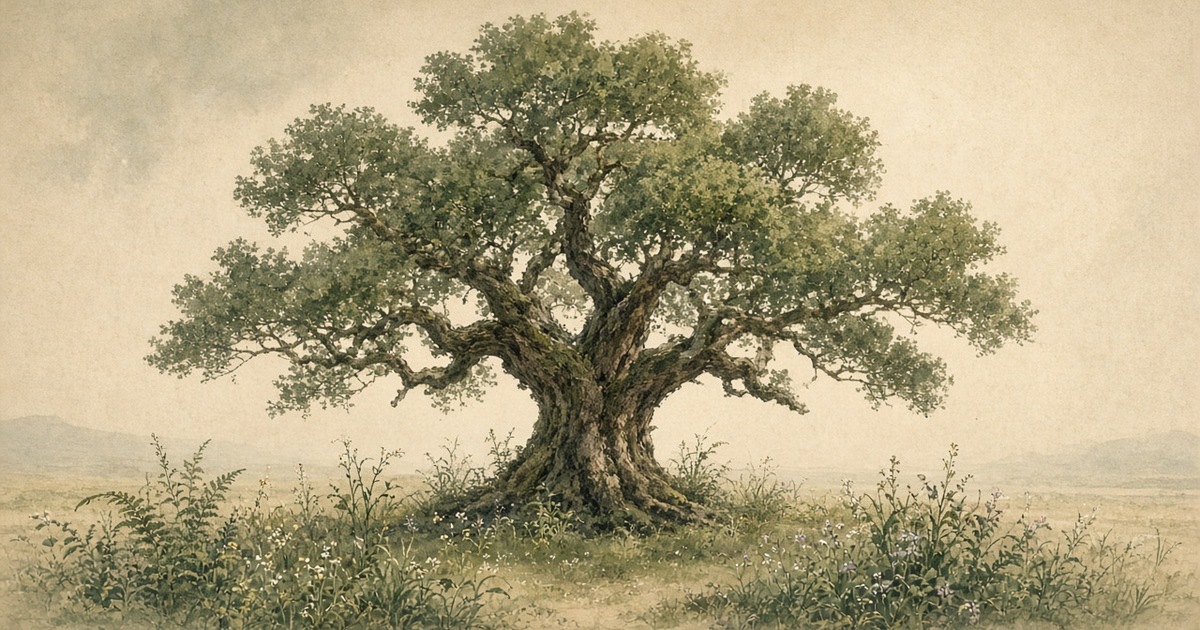
Chapter 34 describes a greatness that never announces itself. The Tao reaches everywhere, everything lives by it, and yet it claims no credit and rules over nothing. The chapter then makes a striking turn: because it never thinks of itself as great, it becomes great. Your question is personal, not cosmic: how do you give, support, and lead without needing ownership, applause, or a title to prove that your contribution was real?
Flowing everywhere: 大道泛兮,其可左右
The chapter opens with 大道泛兮,其可左右. The living page translates: “The great Tao flows everywhere, to the left and to the right.” James Legge’s 1891 version, shown on the same page, begins: “All-pervading is the Great Tao!” Both point to the same picture. The Tao is not stationed in one place, waiting to be visited. It is already present on every side of you, without boundaries.
Here is a reading, not a rule from the text: something that reaches everywhere has no need to stake out territory. You can notice how often your own support comes with a fence around it, a reminder of whose idea it was. The opening line quietly asks what your help would look like if it simply reached where it was needed, with no border drawn.
Work done, no credit claimed: 功成不名有
Next comes 万物恃之而生而不辞,功成不名有. In the page’s translation: “All things depend on it for life, and it does not refuse them. When its work is accomplished, it does not claim credit.” Two movements sit side by side. The Tao does not refuse anyone who depends on it, and when the work is finished, it does not attach its name to the result, the step you may find hardest.
This is a reading, not the text: claiming credit is a small act of ownership after the fact. You finish something useful, and part of you wants the record to show it was yours. The chapter does not forbid you from doing excellent work. It invites you to let the finished thing belong to the people it serves. Your test is whether the help still feels complete when nobody knows where it came from.
Nourishing without lording: 衣养万物而不为主
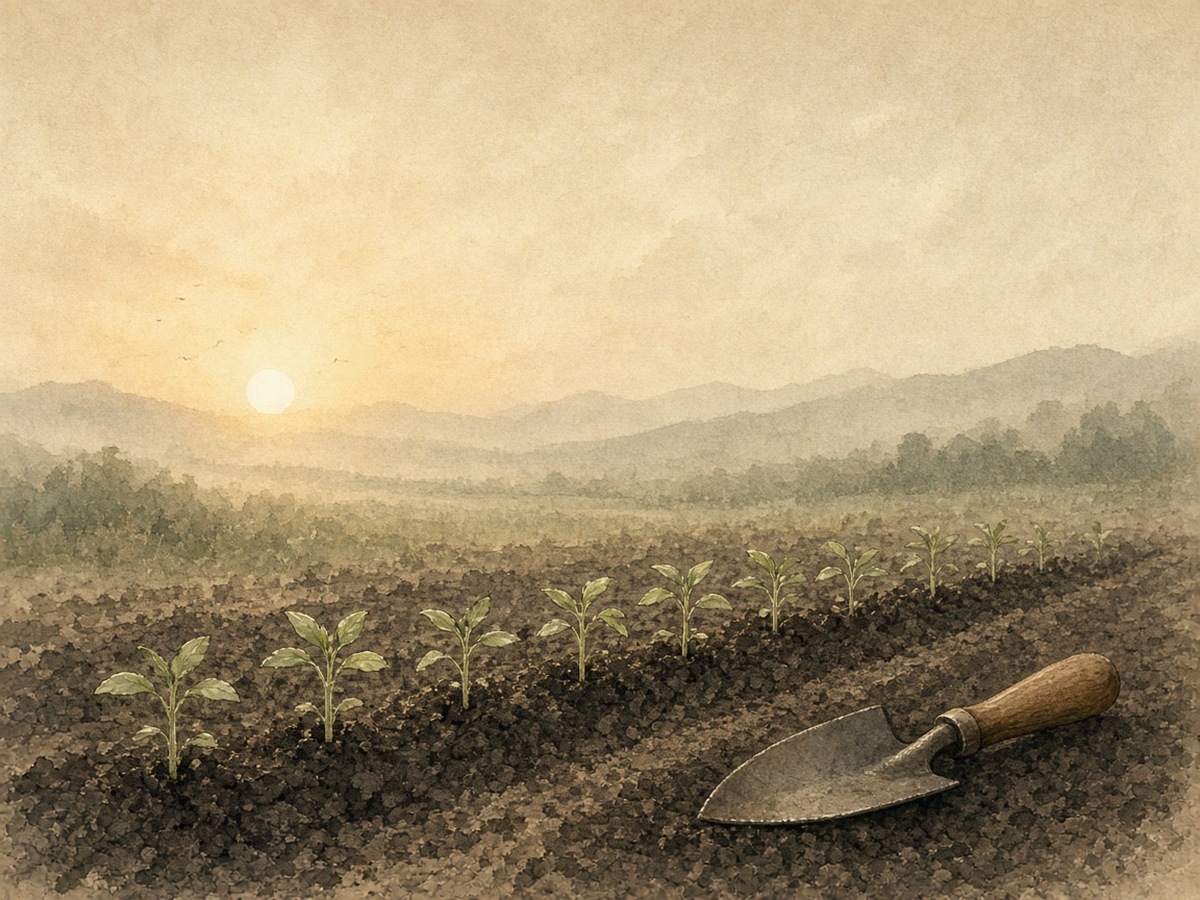
The heart of the chapter is 衣养万物而不为主. The living page renders it: “It clothes and nourishes all things but does not lord over them.” The site lists 不为主 among the chapter’s key concepts. To clothe and to nourish are intimate kinds of care. Yet the care never turns into control. What you nourish is not thereby yours to own.
Here is a reading, not a rule from the text: much leadership slips from support into possession without anyone noticing the moment it happens. You fund the project, so you decide everything; you mentor someone, so their success should reflect on you. 不为主 draws a line through that slide. Your support can be generous and still leave the other person free, standing on their own ground rather than yours.
Called small, called great
The chapter then holds two names together: 常无欲,可名于小;万物归焉而不为主,可名为大. The page translates: “Ever desireless, it may be called small; yet all things return to it as their home, and it does not lord over them—it may be called great.” The same Tao earns both names. It wants nothing, so it looks small. Everything returns to it, so it is great in a way you can feel but not measure.
This is a reading, not the text: smallness and greatness are not opposites here, but two views of one way of being. You may feel overlooked when you serve without wanting anything back. The chapter suggests that this very quietness is what lets others come home to you. Your greatness, if it comes, is measured by how freely people return to you, not by how loudly you are named.
Never acting great: 以其终不自为大,故能成其大
The closing line carries the whole chapter: 以其终不自为大,故能成其大. In the page’s translation: “Because it never considers itself great, it accomplishes greatness.” The site lists 不自为大 as a key concept. Notice the order. Greatness is not the reward for trying to look great. It is what happens when you finally drop the effort to be seen as great.
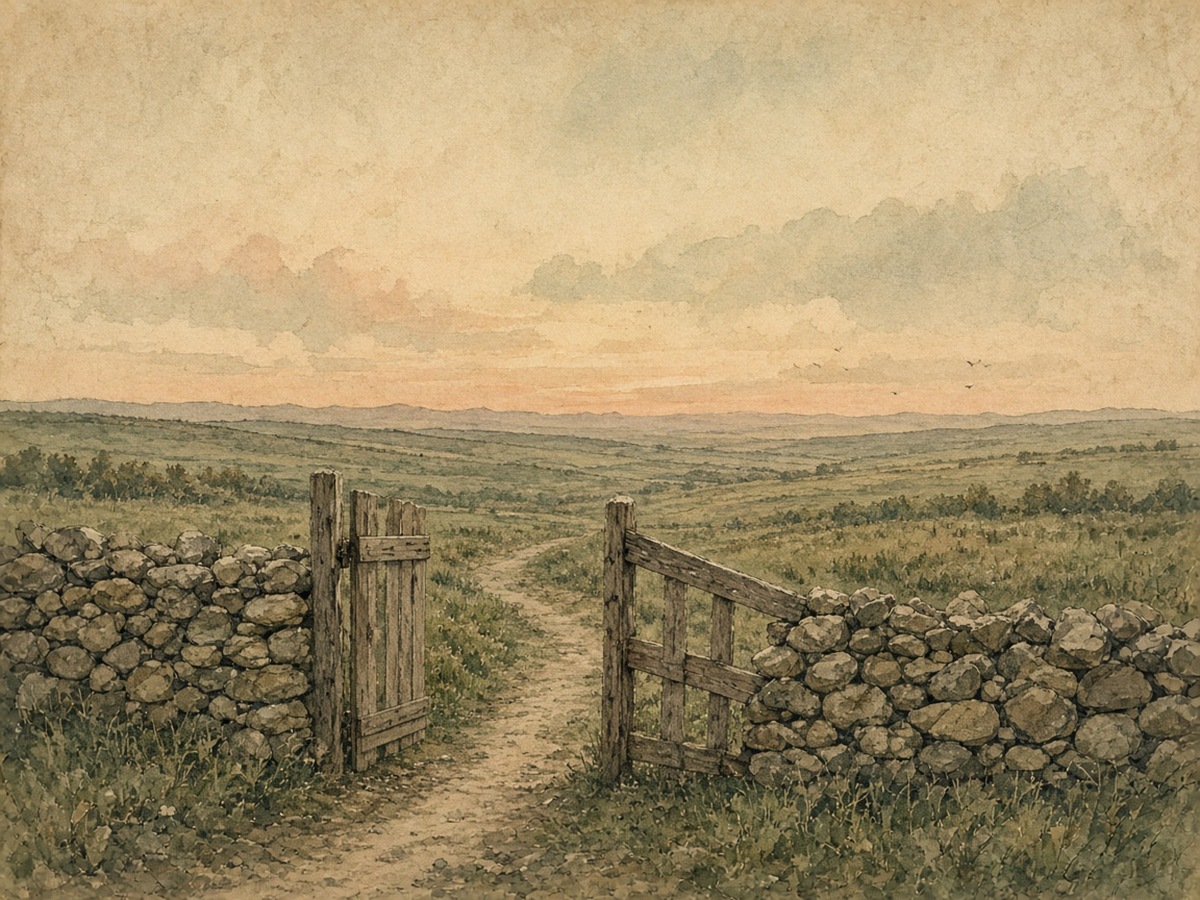
Here is a reading, not a rule from the text: self-display costs attention you could have spent on the work and the people in front of you. You do not need to shrink or pretend to be less capable than you are. You are asked to stop counting your own size. Your work can grow larger once it is no longer carrying the weight of your image.
What this essay does not claim
You will not find here a theory of cosmology, a ranking of translations, or a comparison with other chapters on softness. You will not find invented commentators or search figures. Only the Chinese lines and the quoted English follow the living chapter page; everything else is modern reflection, not Laozi’s words. Your best next step is to read the chapter itself, slowly, as a quiet portrait.
FAQ
What does 功成不名有 mean in Chapter 34?
You can read 功成不名有 as “When its work is accomplished, it does not claim credit,” which is how the living page translates it. Legge renders it as not claiming “the name of having done it.” The point is not false modesty but release: the finished work belongs to those it serves. Your practical version is to complete one useful task this week and let it go unsigned.
What does 不为主 mean, and why does it appear twice?
You meet 不为主 in two lines, translated on the page as “does not lord over them.” It appears once with nourishing and once with all things returning home. In both cases the Tao is closest to everything yet controls nothing. As a reading, not the text: the repetition stresses that care and lordship must stay separate. Your check is whether your support quietly expects obedience in return.
How can the Tao be called both small and great?
You read the page’s translation: “Ever desireless, it may be called small,” yet because “all things return to it as their home,” it “may be called great.” The two names describe one reality from two sides. Wanting nothing makes it seem small; being the place everything returns to makes it great. Your own life can hold both: modest in what you ask, generous in what you offer.
What does 以其终不自为大,故能成其大 teach about greatness?
You get the chapter’s conclusion: “Because it never considers itself great, it accomplishes greatness.” Greatness is not pursued directly; it follows from dropping self-importance. As a reading, not the text: the effort to look great often blocks the work that would make something great. Your practice is to notice when you are protecting your image, and to return your attention to the task and the people in front of you.
Is Chapter 34 the same message as the water imagery of Chapter 8?
You will see the site list Chapter 8 among related chapters, but the focus differs. This essay stays with Chapter 34’s own lines: reaching everywhere, taking no credit, not lording over what it nourishes, and becoming great by never acting great. It does not rely on images of water or low places. Your reading of Chapter 34 can stand on its own, centered on credit, ownership, and self-display.
How should you practice Chapter 34 this week?
You can follow the page’s own suggestion: do one kind act without telling anyone or expecting thanks. Then add one more step. Pick a project or person you support, and name one way you have been quietly claiming ownership of it. Loosen that claim, by sharing credit or stepping back from a decision. At week’s end, notice whether your help felt lighter, and whether others came closer.
Read Chapter 34 on the living page
When you are ready to sit with the Chinese, the translation, and the chapter’s own reflection rather than another paraphrase, open The Great Tao Flows and read Chapter 34 slowly once. Notice where 功成不名有 and 不自为大 sit in the whole. Let one quiet sitting show you whether supporting others without claiming credit could change how you give and lead.