Tao Te Ching Chapter 31 Explained: Weapons of Ill Omen
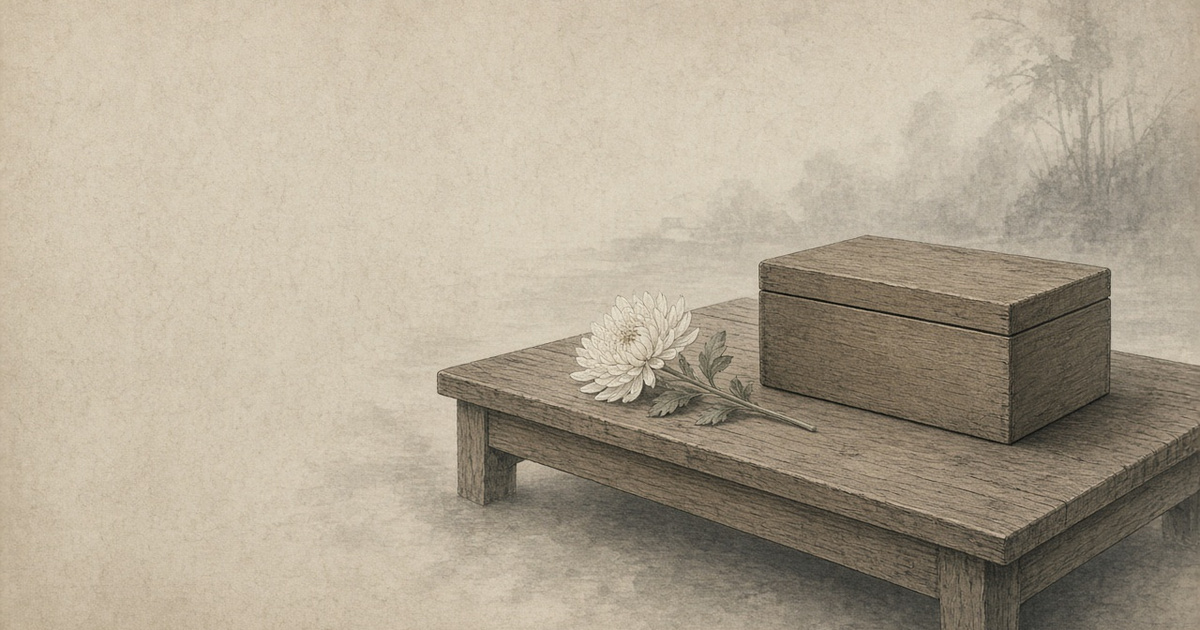
Chapter 31 is one of the few places where Laozi speaks directly about force, and it does not praise it. It calls weapons instruments of ill omen, allows them only when there is no other way, and says that even a win carries no beauty. Your question is ethical, not tactical: how do you treat pressure, conflict, and winning when you cannot fully avoid them, without letting them become a source of pride?
Instruments of ill omen
The chapter opens with 夫佳兵者,不祥之器,物或恶之,故有道者不处. The living page translates: “Fine weapons are instruments of ill omen. They are hated by all creatures. Therefore, those who follow the Way do not rely on them.” Notice the word fine. The text is not only warning about crude harm; it warns about polished, admired force, the kind you might be tempted to show off.
Here is a reading, not a rule from the text: anything you use to overpower another person can carry that same ill omen, including a sharp tongue or a position of power. You do not have to pretend such tools never exist. You are asked not to settle into them, not to make them the place where your sense of worth lives.
Used only when unavoidable: 不得已而用之
The center of the chapter is 兵者不祥之器,非君子之器,不得已而用之,恬淡为上. In the page’s translation: “Weapons are instruments of ill omen, not the tools of a noble person. They are used only when unavoidable, with calm detachment.” Two conditions sit together. Force is allowed only when no other way is left, and even then you hold it with 恬淡, quiet restraint rather than appetite.
This is a reading, not the text: 不得已 is a test you run before acting, not an excuse you supply afterward. Ask whether every gentler path was truly tried, or only skipped because it was slower. Then ask how you would carry the hard choice if you made it: plainly, briefly, without heat. Your honesty grows when you notice how often the words no choice really meant that you preferred the faster way.

No beauty in victory: 胜而不美
Then comes the line you may need to sit with longest: 胜而不美,而美之者,是乐杀人。夫乐杀人者,则不可以得志于天下矣. The living page translates: “Even in victory, there is no beauty. To find beauty in victory is to delight in killing. Those who delight in killing cannot achieve their purpose in the world.” The chapter does not deny that winning happens. It denies that winning is something to admire.
Here is a reading, not a rule from the text: the moment you start enjoying another person’s loss, your purpose has already shifted from settling harm to collecting it. You can apply this at a small scale. When you prevail in a hard conversation, you can still decline the replay, the boast, and the quiet pleasure of the other side’s defeat. Your restraint after winning is part of what the chapter calls the Way.
Left and right: why ritual matters here
The chapter keeps returning to placement: 君子居则贵左,用兵则贵右 and 吉事尚左,凶事尚右. The page renders these as “The noble person, in times of peace, honors the left” and “Auspicious events honor the left; inauspicious events honor the right.” You may not share this ritual system, but its point is clear. Using force is filed under inauspicious events, beside grief, never beside celebration.
This is a reading, not the text: ritual placement is a way of telling yourself the truth in public. When you put a hard necessity on the side of sorrow, you stop it from quietly migrating to the side of honors and trophies. Your own version might be simple: after any forced outcome, note what it cost, before you note what it gained.
Victory met with mourning
The chapter closes with 杀人之众,以哀悲泣之,战胜以丧礼处之. The living page translates: “When many are killed, they mourn with deep sorrow. Victory is celebrated with the rites of mourning.” This is the strongest image in the chapter. The outcome you might expect to see paraded is received with funeral rites, because real people paid for it.
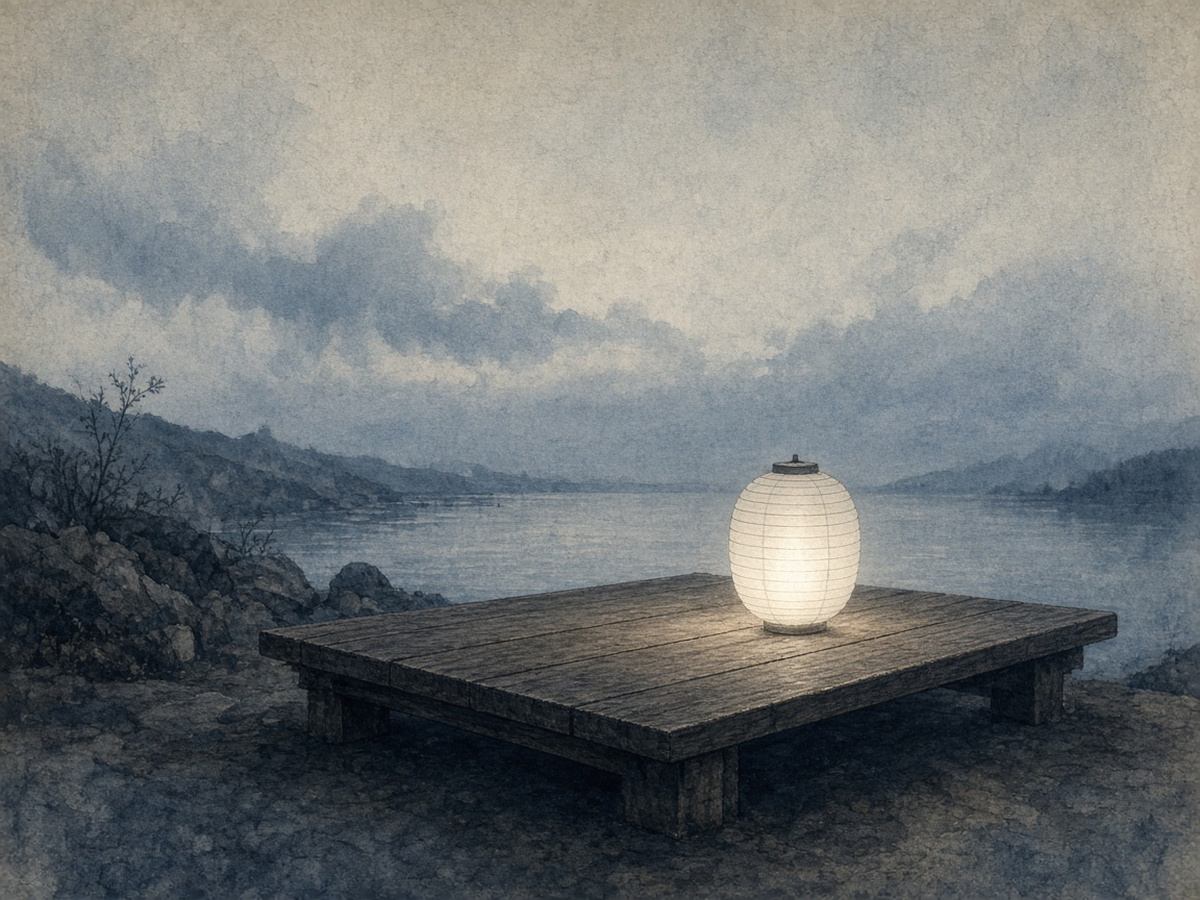
Here is a reading, not a rule from the text: grief is the honest accounting that pride tries to skip. You do not need to stage sorrow you do not feel. You are invited to let the cost stay visible, so that next time the gentler path looks less slow and more worth it.
What this essay does not claim
You will not find here a manual on conflict, a comparison with other classics, or advice on how to prevail. You will not find invented commentators or search rankings. Only the Chinese lines and the quoted English follow the living chapter page; everything else is modern reflection, not Laozi’s words. Your best next step is to read the chapter itself, slowly, as an ethical warning.
FAQ
What does 不得已而用之 mean in Chapter 31?
You can read 不得已而用之 as “used only when unavoidable,” which is how the living page translates it. The phrase sets a threshold, not a permission slip. Force stays outside the noble person’s tools, and appears only when no other way remains. Your practical version is to name the gentler options first and ask honestly whether each one was really tried before you reach for pressure.
What does 恬淡为上 add to “only when unavoidable”?
You get a second condition. Even when force cannot be avoided, the chapter says 恬淡为上, translated on the page as “with calm detachment.” The ethic covers how you act, not only whether you act. Heat, relish, and display are already a step toward delighting in harm. Your check is whether you could carry the hard choice quietly, without needing anyone to witness it.
Why does the chapter say there is no beauty in victory?
You are reading 胜而不美: “Even in victory, there is no beauty.” The next line explains why: to find beauty in victory is to delight in killing, and the chapter says such a person cannot achieve their purpose in the world. Winning is not denied; admiring it is refused. Your restraint after you prevail, without boasting or replaying it, is how you live this line.
Why are victories treated with funeral rites?
You meet 战胜以丧礼处之, which the page translates as “Victory is celebrated with the rites of mourning.” The chapter sets force on the side of inauspicious events, beside grief. The reason is the cost: many have been lost. Mourning keeps that cost in view. Your own version can be simple: before you count what a forced outcome gained, pause and name honestly what it cost.
Is Chapter 31 only about armies, or can you apply it to daily life?
You can stay faithful to the text and still apply it. The chapter speaks of weapons; that is its literal subject. The site’s own reflection applies it to arguments, competitions, and power struggles. As a reading, not the text: any tool you use to overpower someone can carry the same ill omen. Your test is whether you reach for that tool reluctantly, use it calmly, and take no pride in winning.
How should you practice Chapter 31 this week?
You can choose one situation where you usually push hard and try a gentler path first. If pressure still proves unavoidable, keep it brief and calm. If you prevail, skip the replay and the boast. Afterward, write one line about what it cost the other person. Your record at week’s end shows whether 不得已 was a real limit for you, or only a phrase you said.
Read Chapter 31 on the living page
When you are ready to sit with the Chinese, the translation, and the chapter’s own reflection rather than another paraphrase, open Weapons of Ill Omen and read Chapter 31 slowly once. Notice where 不得已而用之 and 胜而不美 sit in the whole. Let one quiet sitting show you whether treating force as a last resort, met with sorrow, can change how you handle your next hard disagreement.